

make >
-
 EURODRIVE

Barcelona: Gaudí, the Sea and the Road South
The Eurodrive guide
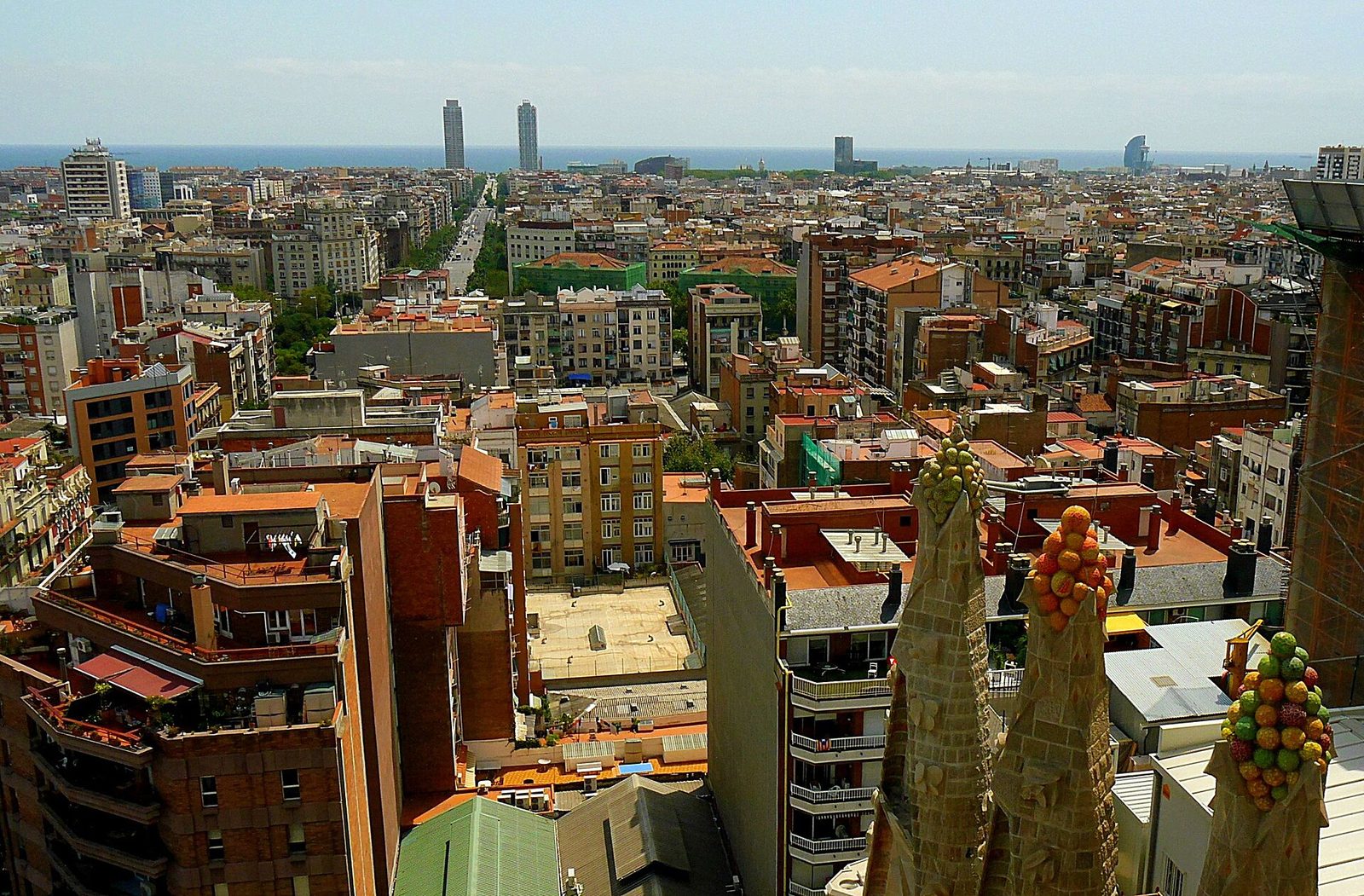
Barcelona, where the city meets the sea.
Few cities greet you quite like Barcelona. The moment you collect your keys, the Mediterranean is at your back and Catalonia's mountains, vineyards and Costa Brava coves lie waiting ahead. It's a city of impossible architecture, golden beaches and long lunches that drift into the evening — and a superb place to begin a Spanish adventure. Here's how to make the most of your time before you set off, or before you hand the car back.
⛽ Fuel up near the delivery center
First things first: the practical essentials
Refuelling near the airport. If you didn't take the optional full-tank service at pick-up, you can refuel near the airport — there's no obligation to return the car full. The handiest stop is the Petrocat–Repsol station right by Terminal 1 on Carrer de Louis Blériot, open around the clock whatever your flight time. For a top-up a little earlier and often slightly cheaper, the Galp station on Avinguda Onze de Setembre, close to the car-rental area, opens daily from 5 a.m. to 11 p.m.
Getting into the city. El Prat sits just southwest of the centre. By car the C-31 and C-32 dual carriageways bring you in within about 20 minutes outside rush hour; if you'd rather leave the car parked at first, the R2 Nord train and the Aerobús reach Plaça de Catalunya in 25–35 minutes. One thing to know before driving into town: central Barcelona is a signed low-emission zone (ZBE).
Where to spend your first night. The grid-straight Eixample is central, elegant and the easiest district for parking garages; the Gothic Quarter and El Born are all atmosphere and narrow lanes, better explored on foot than by car.
Your vehicle. Your factory-fresh Renault is handed over at the MDS Parc delivery centre beside El Prat airport under the short-term lease programme — keys, full paperwork and the whole Mediterranean coast in front of you.
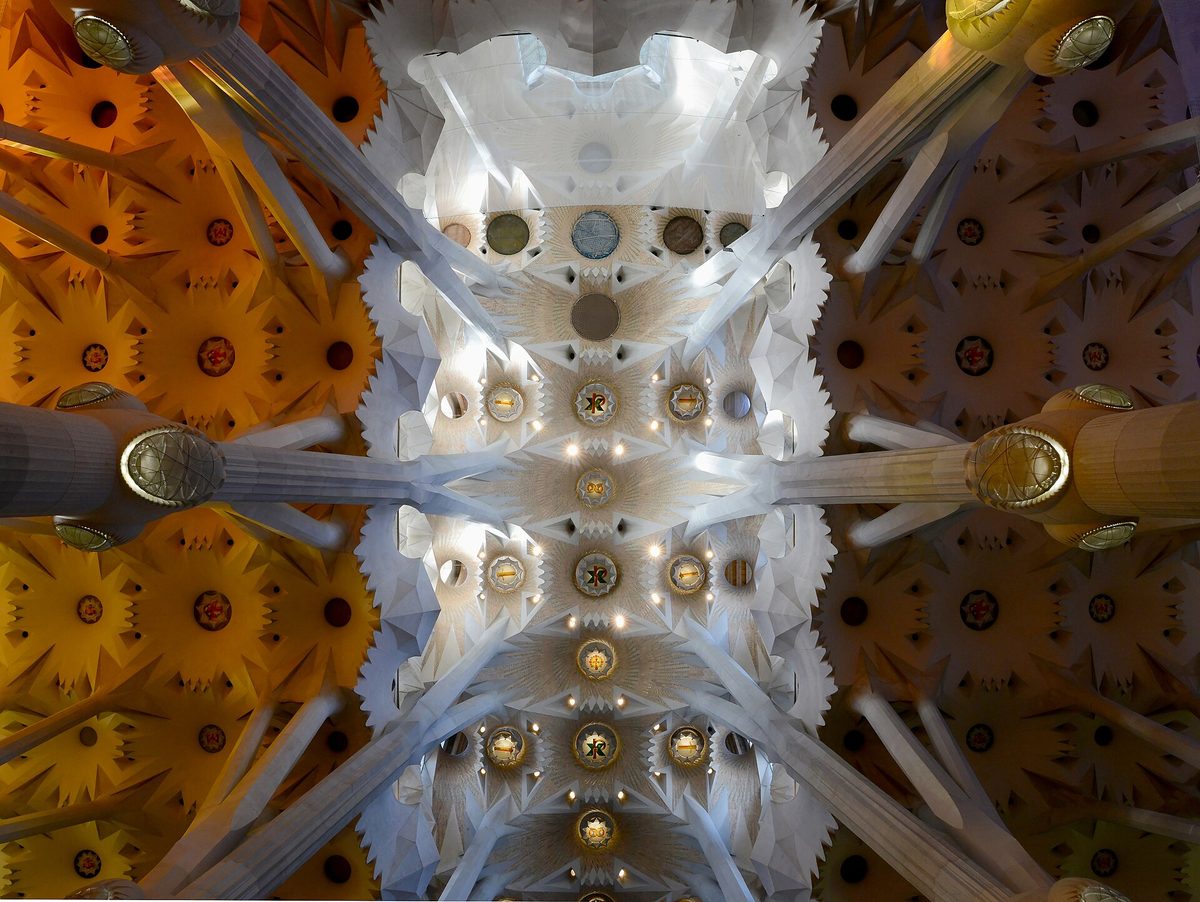
Gaudí's masterpiece.
Barcelona's essential sights
Gaudí, everywhere you look. The soaring, still-unfinished Sagrada Família is the one unmissable landmark — book a timed slot well ahead. Then come the mosaic terraces of Park Güell above the city and the rippling stone façades of Casa Batlló and La Pedrera (Casa Milà) on Passeig de Gràcia.
The old city on foot. Lose yourself in the medieval lanes of the Gothic Quarter around the cathedral, cross into boutique-lined El Born for the Picasso Museum and the basilica of Santa Maria del Mar, then walk down La Rambla to the wrought-iron Boqueria market.
Where the city meets the sea. Barceloneta's golden beach and seafood terraces are a short hop from the centre, with the marina and the Port Vell cable car alongside.
The best views. Ride up to Montjuïc for its castle, gardens and Magic Fountain, or climb to the Bunkers del Carmel at sunset for a 360° sweep over the whole city.
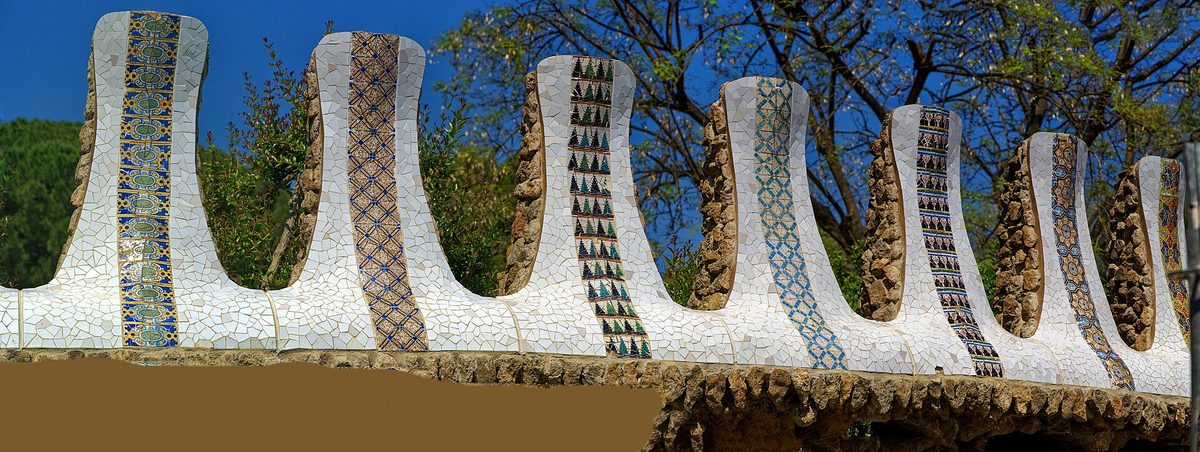
Colour above the city.
Foodie Barcelona: markets, tapas and Catalan cooking
The markets. La Boqueria off La Rambla is the famous one, but locals swear by the Modernista Mercat de Santa Caterina and the vast, restored Sant Antoni. Grab a stool at a market bar for the freshest breakfast in town.
Catalan classics. Start with pa amb tomàquet — bread rubbed with ripe tomato, oil and salt — then work through esqueixada (salt-cod salad), escalivada (smoky roast vegetables), botifarra amb mongetes (sausage with white beans) and, come winter, calçots grilled and dipped in romesco. Finish with a burnt-topped crema catalana.
How locals eat. Tapas are for grazing and sharing; on Carrer Blai in Poble Sec you pay by the toothpick. Wash it down with a glass of Penedès cava, or join the Sunday ritual of the vermut — a pre-lunch vermouth on ice, with an olive and a good chat.
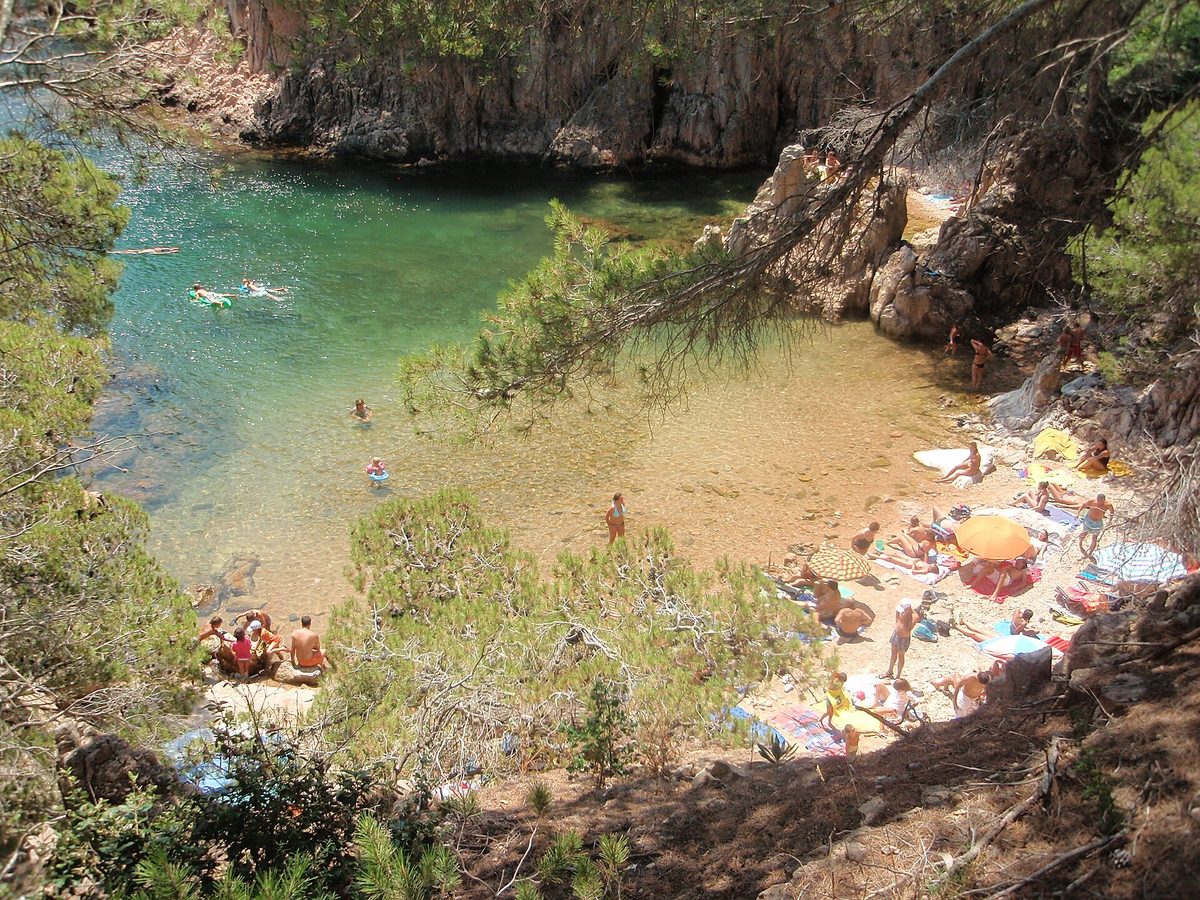
The wild coast, north of the city.
Your first road trip out of Barcelona
The coast tempts you in both directions and the mountains sit surprisingly close. North lies the Costa Brava — Tossa de Mar, the whitewashed cove of Cadaqués and the wild inlets that Dalí painted, plus his theatre-museum in Figueres, roughly 1.5–2 hours up the AP-7. Inland, the surreal serrated ridge of Montserrat and its cliff-hanging monastery are under an hour away. Southwest, the Penedès cava country is a 40-minute hop, and the same motorway carries you on to the Roman amphitheatre of Tarragona and, much further, Valencia.
The ideal first-day loop. Head northwest to Montserrat for the monastery and a short mountain walk, drop down through the Penedès vineyards for a cellar visit and lunch, then close the loop along the coast through seaside Sitges before returning to the city — about 150 km that pack mountains, wine country and the Mediterranean into a single day.
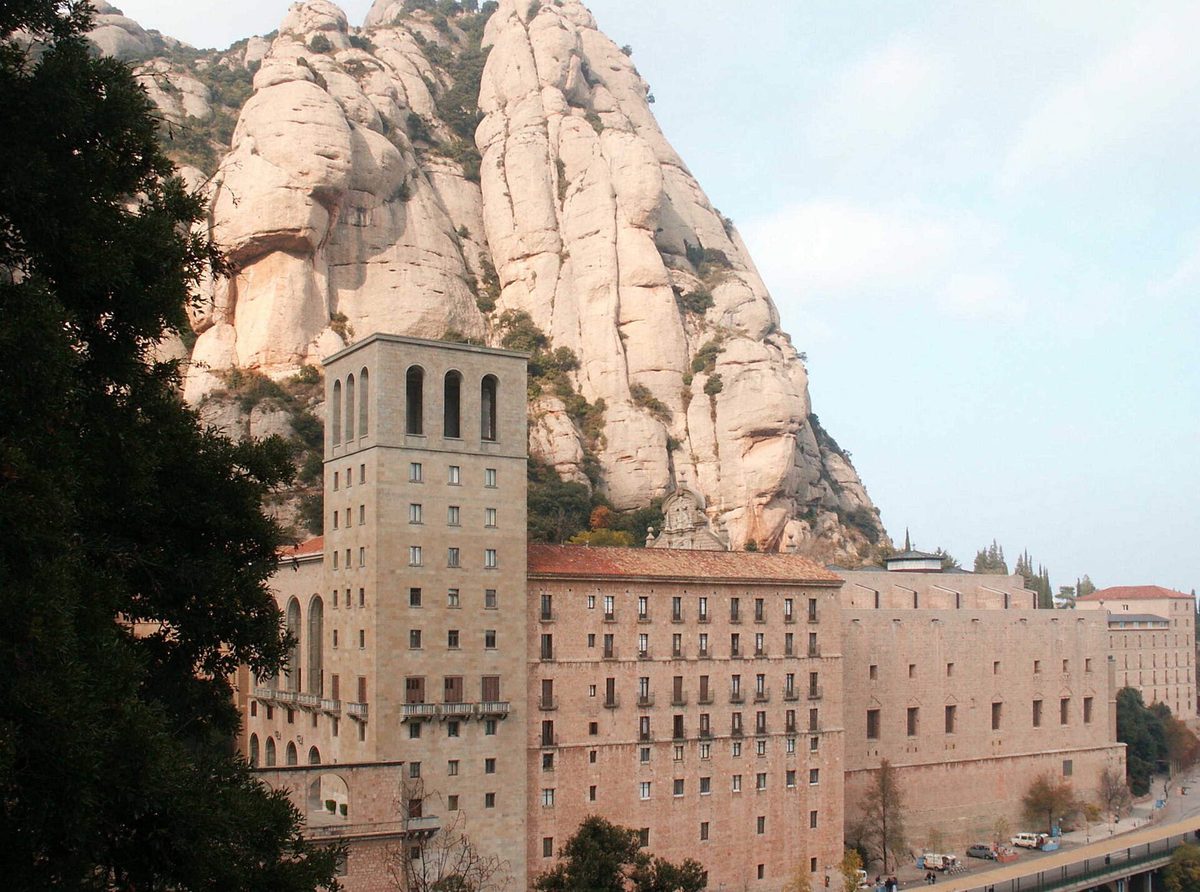
An hour inland, a world away.
When to visit Barcelona: climate and seasons
Barcelona is a year-round city with a mild Mediterranean climate. Late spring (May–June) and early autumn (September–October) are the sweet spots: warm days, a swimmable sea and lighter crowds. Summer is hot, humid and busy — the beaches fill up and, in August, many locals leave and some smaller places close, though the festivals more than make up for it. Winter is gentle, often 12–15 °C by day, ideal for museums and long lunches without the queues. If your road trip climbs toward the Pyrenees or Andorra between roughly November and April, carry winter tyres or chains — Spanish mountain passes can require them when snow is signposted, even while the coast stays warm.
Driving tips for Spain
Tolls: most of the AP-7 through Catalonia is now toll-free, but the coastal C-32 and the C-16 tunnels toward Montserrat still charge — keep a contactless card within reach.
Speed limits: 120 km/h on motorways, 90 on main roads, and 30 or 50 in towns depending on the number of lanes.
Fuel: "gasolina" is petrol (95/98), "gasóleo" or "diésel" is diesel — the pumps sit side by side, so check before you fill.
Low-emission zones: central Barcelona is a signed ZBE. Your Eurodrive car is brand-new and meets current emission standards, so it isn't caught by the ban on older vehicles — but foreign-plated cars must register with the ZBE before driving in, so sort that out online first.
How far by car?
Approximate driving times from the delivery center.
📍 Your delivery center
Barcelona: Gaudí, the Sea and the Road South
Book your vehiclePhotos : Ronny Siegel (CC BY 4.0) · Alvesgaspar (CC BY-SA 4.0) · Txllxt TxllxT (CC BY-SA 4.0) · Jordiipa (CC BY-SA 3.0) · Gyrofrog (CC BY-SA 2.5) — Wikimedia Commons.