

make >
-
 EURODRIVE

Lisbon: City of Light, Hills and the Atlantic
The Eurodrive guide
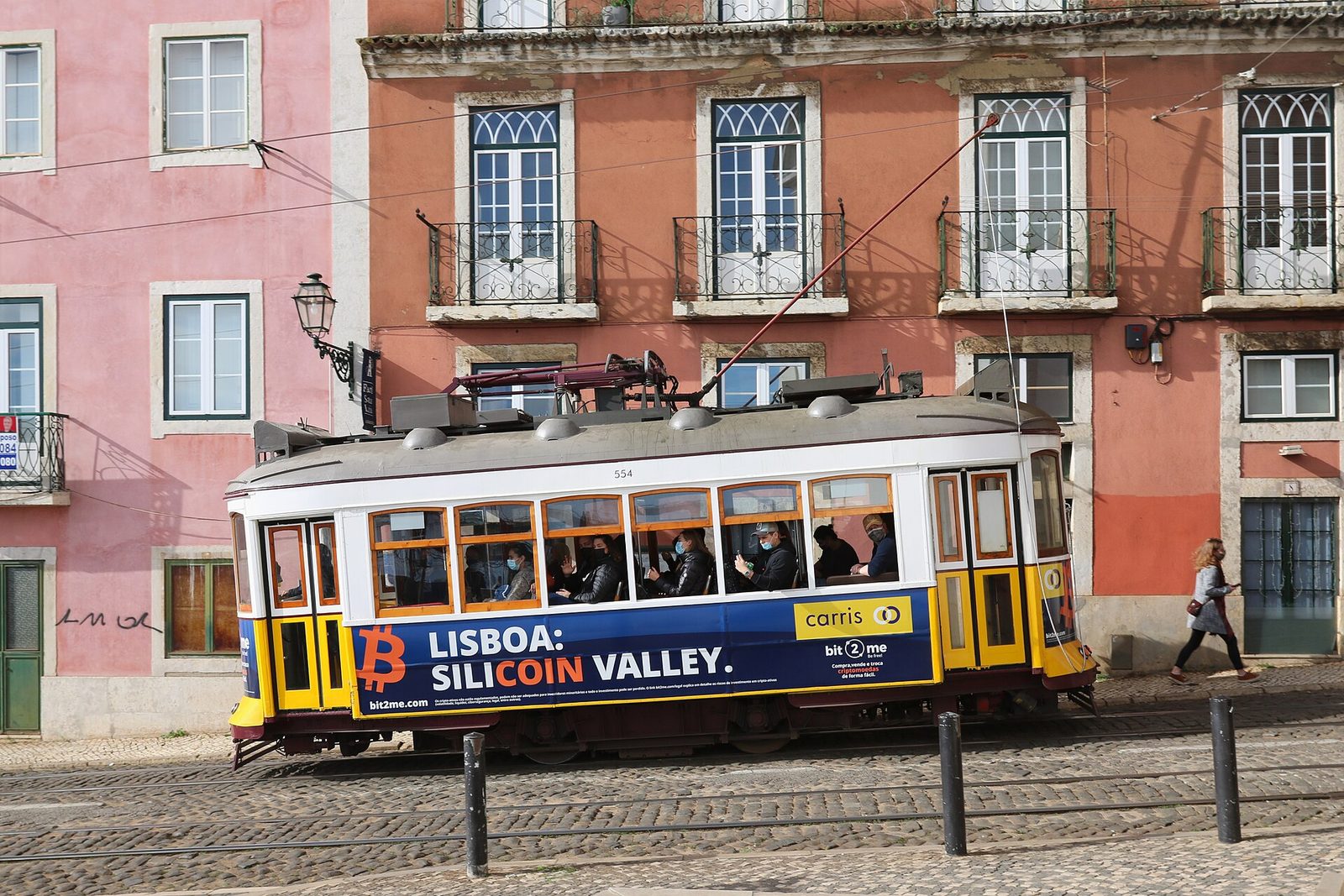
Lisbon, city of golden light.
Bathed in a famous golden light, Lisbon spills over seven hills above the Tagus, all pastel facades, rattling trams and the soulful sound of fado. Land here and the beaches, palaces and surf coast of central Portugal are all within reach. Here's how to begin your adventure.
⛽ Fuel up near the delivery center
First things first: the practical essentials
Filling up near the airport. If you didn't take the optional full-tank service at pick-up, you can refuel right nearby — there's no obligation to return the car full. The closest stop is the BP station at the airport's new roundabout on Avenida de Berlim, open 24 hours, less than a kilometre from the delivery centre. The Galp on Avenida Marechal Craveiro Lopes, also 24-hour, is a handy second option. Self-service is simplest — keep your receipt.
Getting into the city. The delivery centre sits in Moscavide, right beside Lisbon's airport — one of the closest to a city centre anywhere in Europe: by car you're in the heart of the capital within minutes. Prefer to leave the car? The metro (red line) reaches downtown in about twenty minutes. Either way, Lisbon's hills and narrow old lanes reward a little patience at the wheel.
Where to spend your first night. The Baixa, Alfama and Chiado districts are central and full of character — be ready for steep climbs and calçada, the classic slippery cobblestones; the quieter Avenida da Liberdade and Príncipe Real make lovely bases too.
Your vehicle. Your brand-new Renault is waiting at the Moscavide delivery centre, a stone's throw from Lisbon Airport, under the short-term lease programme — keys in hand to set off for Sintra and the Atlantic.
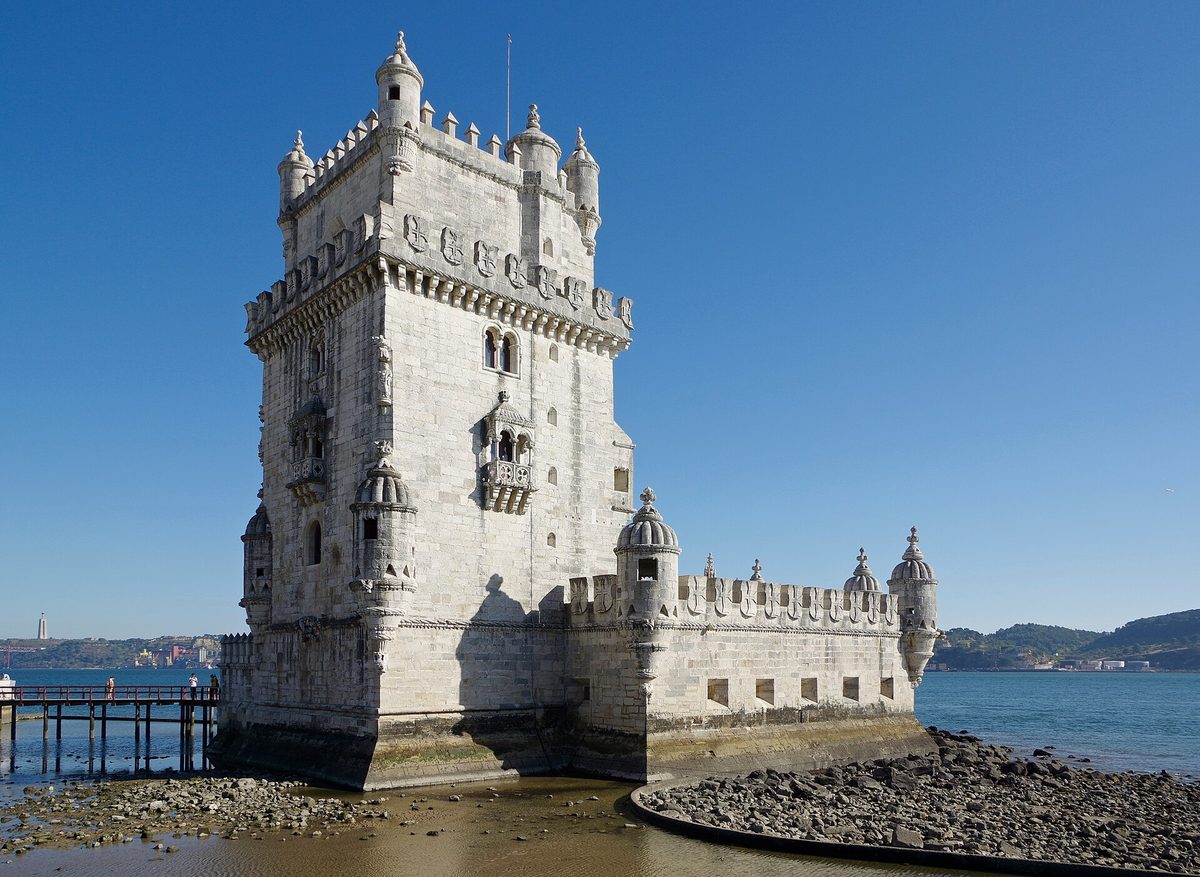
The Belém Tower.
Lisbon's essential sights
Tram 28 and the Alfama. The famous yellow tram climbs and winds through the Alfama and Graça, the city's oldest quarter: a medieval maze of stepped lanes, washing strung between windows and fado drifting from a doorway. Stop at the Santa Luzia and Portas do Sol viewpoints for the sweep of tiled roofs down to the Tagus.
Castelo de São Jorge. Crowning the highest hill, the old Moorish castle looks out over the whole city: from the ramparts the view takes in the Baixa, the river and the 25 April Bridge — the definitive Lisbon postcard, the very photo that opens this page.
The Baixa and Chiado. Rebuilt on a grid after the great earthquake of 1755, the Pombaline downtown opens onto the majestic Praça do Comércio on the riverfront, entered through the Rua Augusta arch. Ride the Santa Justa lift, then wander the Chiado between the A Brasileira café and Bertrand, the world's oldest bookshop still trading.
Belém. West along the river, the Jerónimos Monastery and the Belém Tower — UNESCO-listed Manueline masterpieces — tell the story of the Age of Discovery; the Discoveries Monument and the MAAT art museum round out the walk. Don't leave without a warm pastel de Belém, baked right next door.
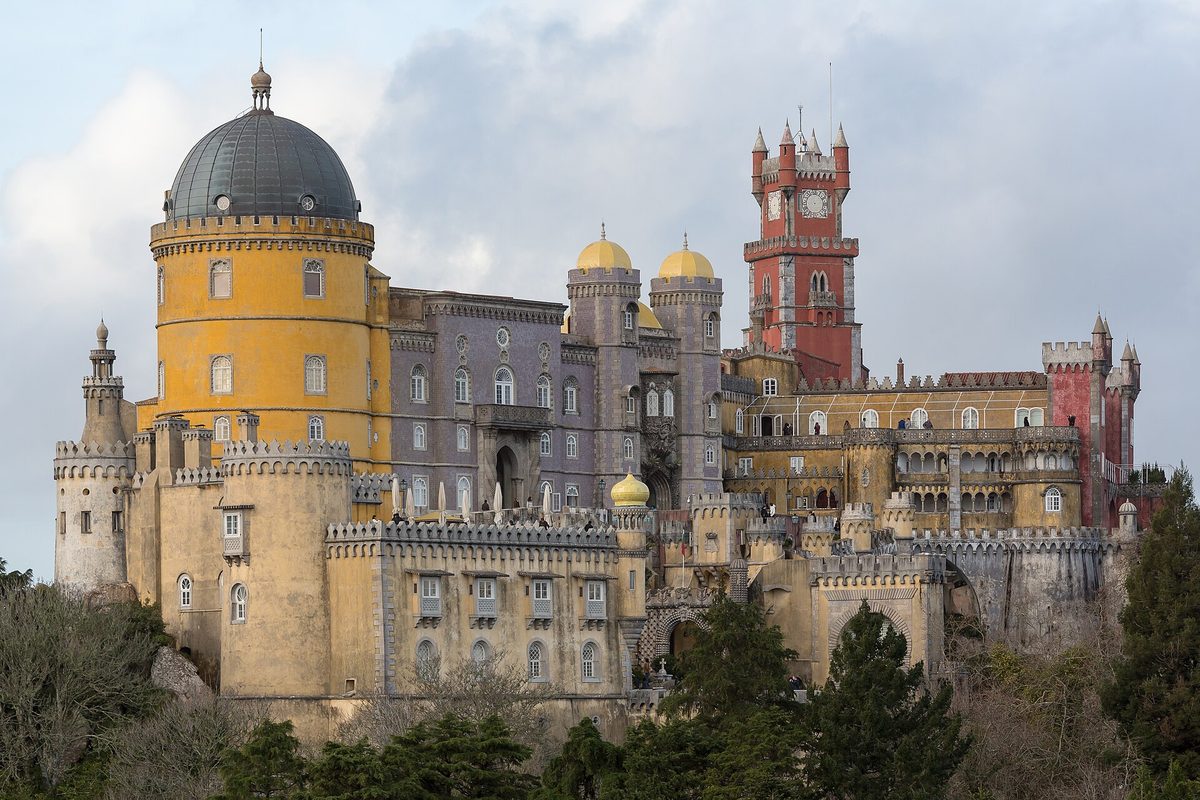
The palaces of Sintra, 40 minutes west.
Foodie Lisbon: pastéis, markets and Atlantic flavours
The pastel de nata. This little custard tart in its caramelised, flaky shell is Portugal's sweet emblem: taste the original at Pastéis de Belém, a recipe kept secret since 1837, or the golden version at Manteigaria in Chiado — warm and dusted with cinnamon, it's a ritual.
The markets. At Cais do Sodré, the Time Out Market (Mercado da Ribeira) gathers the city's best kitchens under one roof, from Michelin chefs to small producers. Quieter and more local, the Mercado de Campo de Ourique is a fine spot for lunch at the counter.
At the table. Bacalhau (salt cod) is said to have a thousand preparations — à Brás, à Gomes de Sá; in summer, grilled sardines scent the lanes, especially around the Santo António festivities; at midday, grab a bifana, a marinated pork sandwich, at a tasca counter.
To drink. On the go, treat yourself to a ginjinha, the sour-cherry liqueur served in a chocolate cup near Rossio; at the table, a chilled vinho verde or a red from the Setúbal peninsula pairs beautifully with Lisbon's cooking.
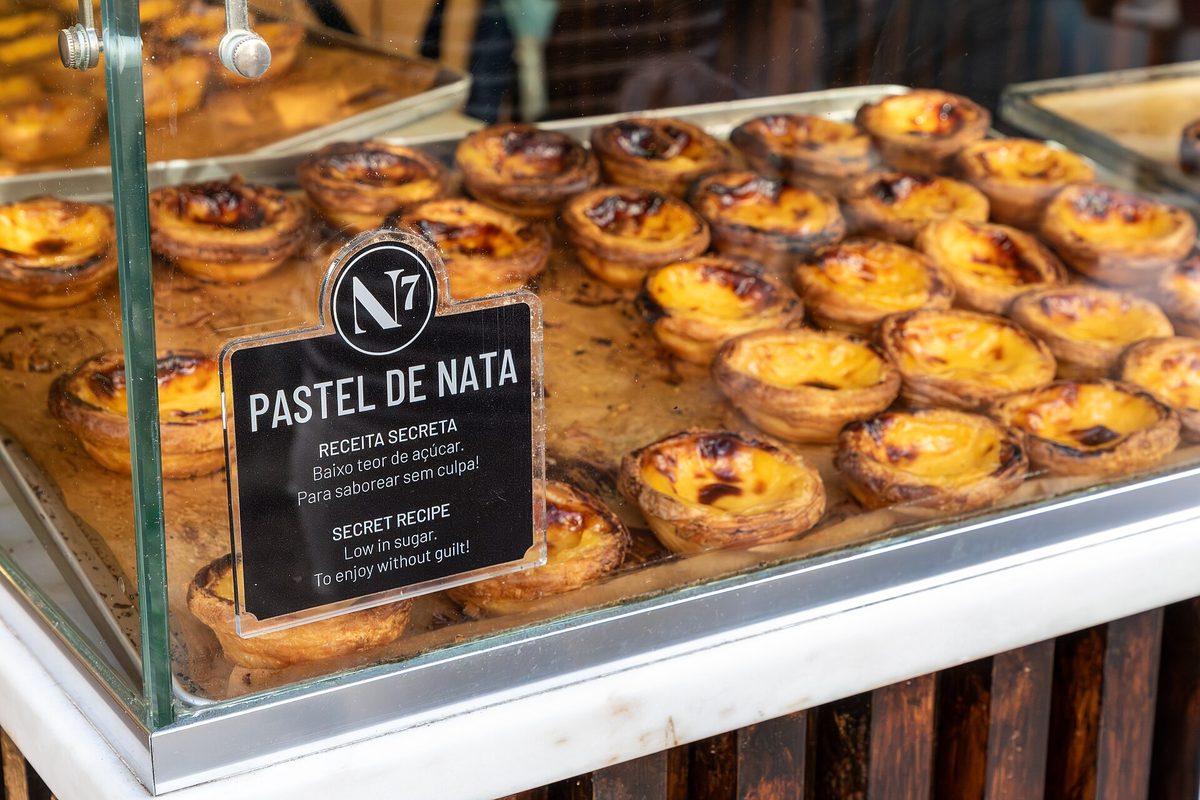
A warm pastel de nata.
Your first road trip out of Lisbon
West, the romantic palaces of Sintra, set in misty green hills, are just forty minutes away — unmissable. Continue to Cabo da Roca, mainland Europe's westernmost point, then the surf beaches of Cascais and Guincho. South, across the 25 April Bridge, the great Cristo Rei watches over the river, the sands of the Costa da Caparica stretch for miles, and the vineyards of the Setúbal peninsula, below the Serra da Arrábida, are less than an hour away.
The perfect first-day loop. Leave Lisbon for Sintra and its Pena Palace and Quinta da Regaleira; push on to Cabo da Roca to feel the Atlantic against the cliffs; drop down to Cascais for dinner, then head home along the coastal road (the Marginal): about 100 km that distil mountain, ocean and seaside into a single day.
When to come: climate and seasons
With more than 280 days of sunshine a year, Lisbon is a year-round destination. Spring (April–June) and autumn (September–October) are ideal: gentle warmth, crystalline light on the pastel façades and manageable crowds. Summer is hot and dry (often above 30 °C), cooled by the afternoon Atlantic breeze; it's also festival season, peaking with Santo António on 12–13 June, when the Alfama dances and grills sardines all night. Winter is mild (often 15 °C by day) but brings the odd shower off the ocean — tuck a raincoat in your bag. No winter driving rules to worry about here: this is a coastal region where snow is unheard of, and no special equipment is needed.
Driving tips for Portugal
Tolls: many Portuguese motorways use electronic tolls, some entirely barrier-free (overhead gantries only). At pick-up, check whether your car has a Via Verde transponder; if not, and with a foreign plate, activate the EASYToll service (automatic kiosks near the border) or pay within five working days at a post office (CTT) or a Payshop point to avoid fines.
Speed limits: 120 km/h on motorways, 90 on main roads, 50 in towns; the blood-alcohol limit is 0.5 g/l (0.2 for new drivers).
Fuel: "gasolina" is petrol (95/98), "gasóleo" is diesel.
City driving: central Lisbon runs a low-emission zone (ZER) that bars only older vehicles; your brand-new Renault meets current standards and drives in freely — there's no sticker to display as in France. Finally, take care on the cobbled calçada, slippery in the rain, and never block the tram tracks.
How far by car?
Approximate driving times from the delivery center.
📍 Your delivery center
Lisbon: City of Light, Hills and the Atlantic
Book your vehiclePhotos : Ingo Mehling (CC BY-SA 4.0) · Berthold Werner (CC BY-SA 4.0) · CEphoto, Uwe Aranas (CC BY-SA 3.0) · Dietmar Rabich (CC BY-SA 4.0) — Wikimedia Commons.