

make >
-
 EURODRIVE

Rome: The Eternal City and the Roads of Italy
The Eurodrive guide
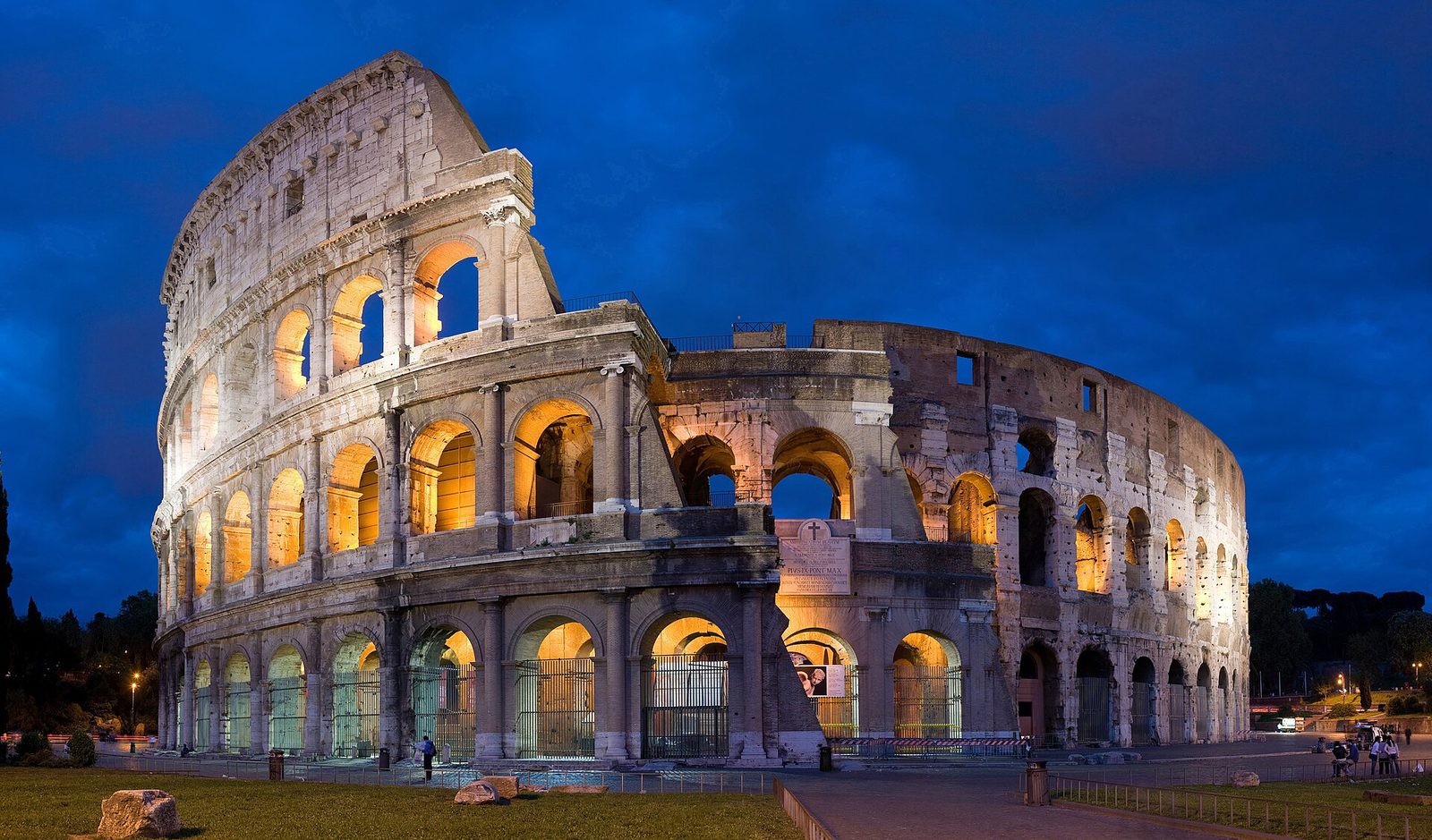
Rome, the Eternal City — the Colosseum.
Few names carry the weight of Rome. Land at Fiumicino and you're at the threshold of the Eternal City — 3,000 years of history layered in marble, fountains and cobbled piazzas — with the whole of central Italy beyond. Whether you're soaking up the capital or setting off into Tuscany and the south, here's how to begin.
⛽ Fuel up near the delivery center
First things first: the practical essentials
Refuelling near the airport. If you didn't take the optional full-tank service at pick-up, you can refuel close by — there's no obligation to return the car full. The handiest stop is the IP station on Via dell'Aeroporto di Fiumicino, open 24 hours and barely two kilometres from the delivery centre; use the self-service pumps and keep your receipt. The Eni right next door is a reliable backup. A tip echoed by many travellers: fill up yourself at the self-service to steer clear of attended-service surcharges.
Getting into the city. Central Rome sits about half an hour away. The Leonardo Express runs non-stop from the airport to Roma Termini in around 30 minutes, and it is often the smartest way in. By car, the autostrada and the GRA ring road bring you to the edge of the city, but the capital's dense traffic and camera-enforced ZTL zones make it wiser to park on the outskirts — near a metro stop — and ride in.
Where to spend your first night. Base yourself near the historic centre — around the Pantheon, in bohemian Trastevere or hillside Monti — and the greatest sights are yours on foot, with a trattoria on every corner for that first Roman dinner.
Your vehicle. Your brand-new Renault is waiting at the Fiumicino delivery centre, ready for the open road under the short-term lease programme — tax-free motoring for the length of your Italian journey.
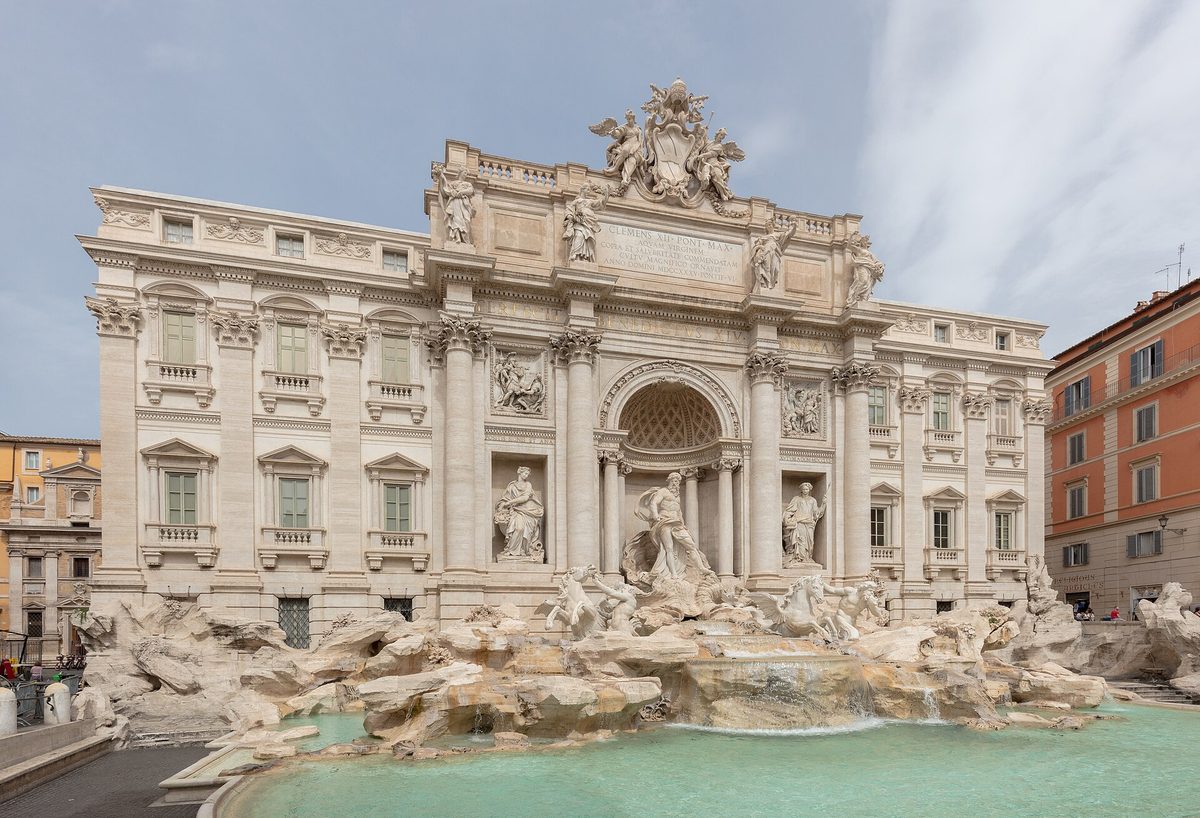
The Trevi Fountain.
Rome's essential sights
The Colosseum and the Roman Forum. Begin where Rome began. The Colosseum still stuns after two thousand years; beside it, the Roman Forum and Palatine Hill spread out as a field of temples, arches and imperial ruins. Book a timed ticket online to skip the longest queues.
The Pantheon and the baroque squares. The Pantheon's vast unsupported dome and open oculus remain an engineering marvel — and its door is a short walk from Piazza Navona, with its Bernini fountains, and the Spanish Steps. This is the Rome made for wandering on foot.
The Trevi Fountain. Baroque theatre in travertine and water: toss a coin over your shoulder to be sure of a return to Rome. Come early or late to see it without the midday crush — the very fountain that appears further down this page.
Vatican City. A sovereign state in the heart of the city: Saint Peter's Basilica and its dome, the Vatican Museums and, at their climax, Michelangelo's Sistine Chapel ceiling. Reserve ahead and arrive early — this is Rome's busiest ticket.
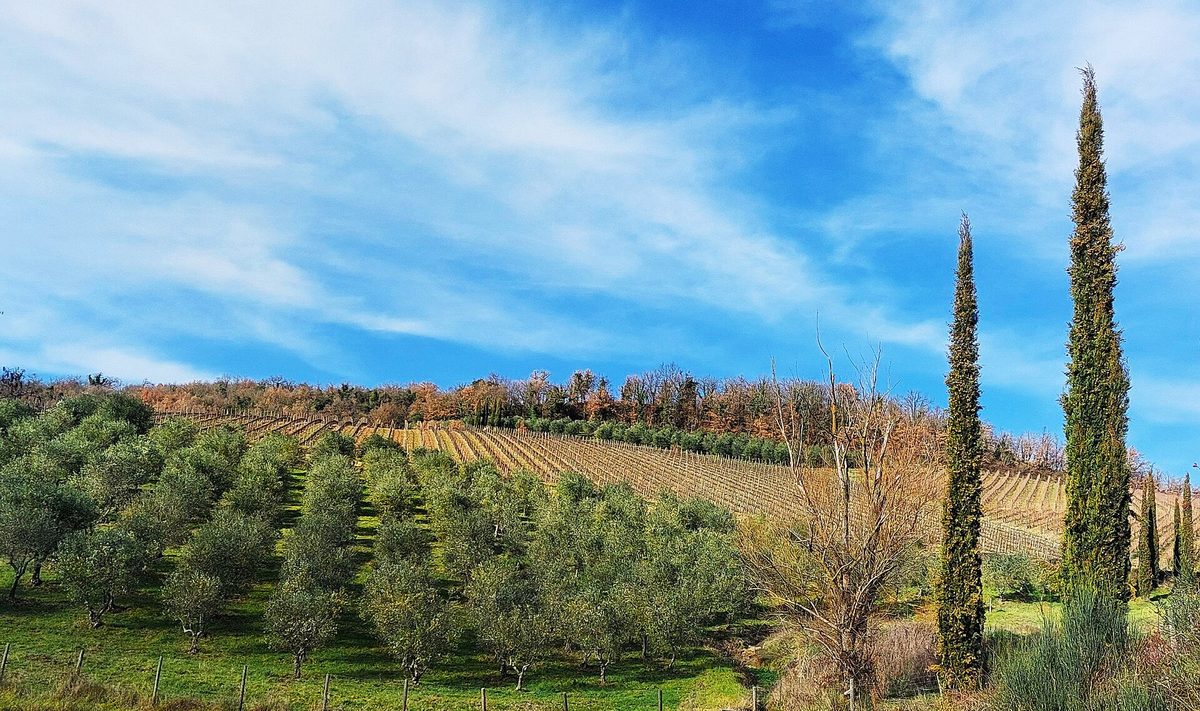
Tuscany, three hours north.
Foodie Rome: markets, Roman pasta and the Ghetto
The markets. Rome eats well and cheaply from its markets. Campo de' Fiori fills each morning with stalls beneath the statue of Giordano Bruno; Testaccio's covered market is the food-lover's favourite; and the Mercato Trionfale, near the Vatican, is a vast neighbourhood institution.
The four Roman pastas. This is pasta's spiritual home for a reason. Order carbonara (egg, guanciale, pecorino — never cream), cacio e pepe (pecorino and black pepper), amatriciana (tomato and guanciale) or the older gricia. Simple, salty, unforgettable.
The Jewish Ghetto and the fried classics. In the Ghetto, carciofi alla giudia — whole artichokes fried until they open like bronze flowers — are a Roman institution, at their best from late winter into spring. Add supplì (fried rice croquettes) and pizza al taglio from a bakery counter.
Sweet things and a glass. Finish with a maritozzo (a cream-filled bun) at breakfast, a gelato during the evening passeggiata, and a glass of crisp Frascati, the white of the Castelli Romani hills just south of the city.
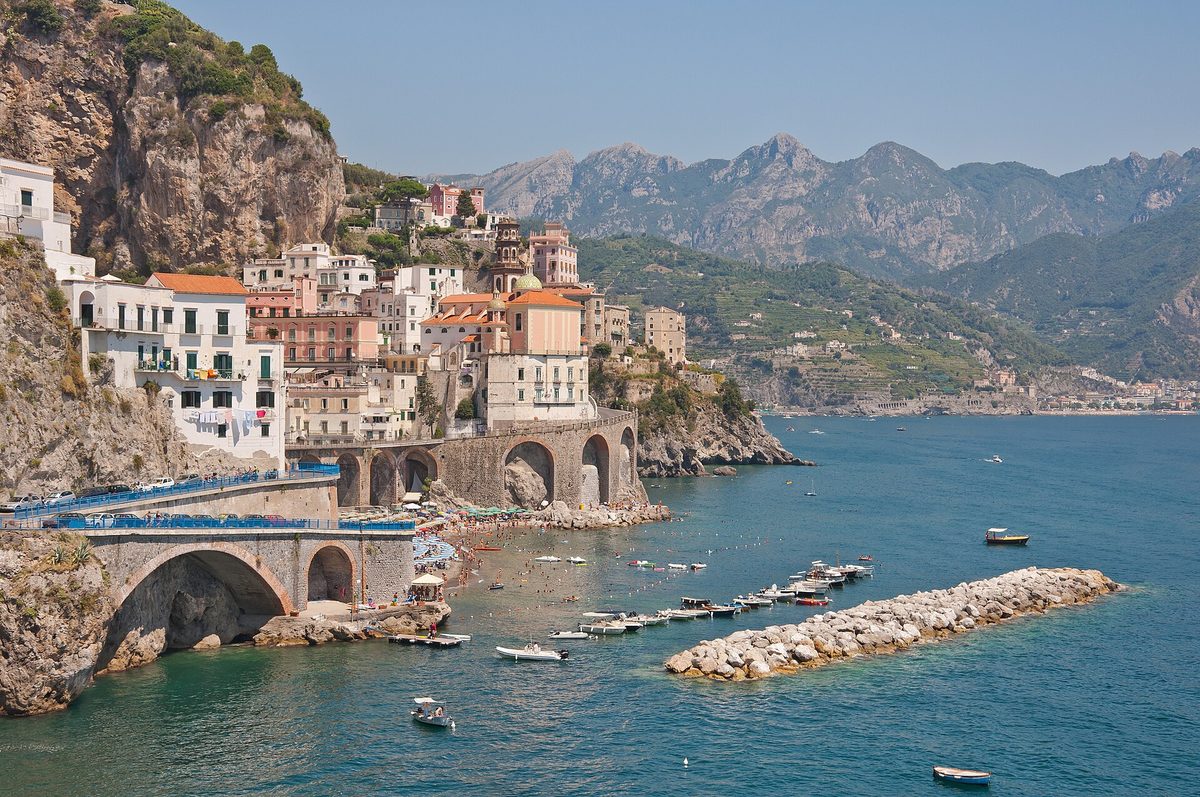
The Amalfi Coast, to the south.
Your first road trip out of Rome
Central Italy spreads in every direction from Rome. North lies Tuscany — Siena, Florence and the rolling vineyards of Chianti, around three hours away. The hill towns of Umbria — Orvieto on its tufa cliff, Assisi, Spoleto — are closer, ninety minutes to two hours. South, the ruins of Pompeii and the vertiginous Amalfi Coast are roughly three hours, while the lakes, Etruscan tombs and papal villas of Lazio sit right on Rome's doorstep.
The perfect first-day loop. Skip the city-centre traffic on day one and stay near the coast. From Fiumicino, drive fifteen minutes to Ostia Antica, the astonishingly complete ruins of Rome's ancient port. Carry on north to Lake Bracciano and its lakeside Odescalchi castle, then to Cerveteri, whose Etruscan necropolis — grassy burial mounds listed by UNESCO — is explored like a city of the dead. It's a relaxed loop of about 90 km that keeps you clear of the capital's traffic while your feet find the pedals.
When to come: climate and seasons
Rome enjoys a classic Mediterranean climate, and there's rarely a bad time to come. April to June and September to October are the sweet spots: warm days, long light and the piazzas at their most inviting. July and August are hot — often above 35 °C — and in mid-August many Romans leave for the Ferragosto holiday, so some family-run trattorias close. Winter is mild (10–15 °C by day), with occasional rain, thinner crowds and a beautiful run-up to Christmas. If you point the car towards the Apennines in the cold months, note that many mountain roads require winter tyres or on-board snow chains from 15 November to 15 April, shown by roadside signs.
Driving tips for Italy
Tolls: Italy's motorways (autostrade) are tolled — take a ticket as you enter and pay on exit, by card or cash; avoid the yellow Telepass-only lanes.
Speed limits: 130 km/h on motorways (110 in the rain), 90 on main roads, 50 in towns — all camera-enforced.
Fuel: "benzina" is petrol, "gasolio" (or diesel) is diesel — check before you fill.
ZTL — the one to remember: most Italian historic centres, Rome included, are ringed by a ZTL (limited-traffic zone) watched by cameras. Unlike a low-emission zone, a ZTL is an access restriction: a brand-new car earns you no exemption, and driving in without a permit means an automatic fine passed on to you later. Park outside the zone and walk or take the metro in. Rome's wider "Fascia Verde" emissions zone is a separate matter — but your new Euro 6 Eurodrive car meets its standards.
How far by car?
Approximate driving times from the delivery center.
📍 Your delivery center
Rome: The Eternal City and the Roads of Italy
Book your vehiclePhotos : Diliff (CC BY-SA 2.5) · Diego Delso (CC BY-SA 4.0) · Anna.Massini (CC BY-SA 4.0) · Paolo Costa Baldi (CC BY 3.0) — Wikimedia Commons.